Physical Address
304 North Cardinal St.
Dorchester Center, MA 02124
Physical Address
304 North Cardinal St.
Dorchester Center, MA 02124


Lockout tagout shift change procedures protect workers when maintenance extends beyond a single shift. These procedures ensure continuous energy control during personnel transitions and prevent accidental equipment startup during the handoff window between off-going and oncoming employees. Key Takeaways What…

Lockout Tagout Procedures are critical for ensuring worker safety during equipment servicing. Each authorized employee must use a personal lock, preventing unexpected energization. Key Takeaways What are Lockout Tagout Procedures? Lockout Tagout Procedures are defined as energy control methods that…

Cable lockout devices are adjustable locking mechanisms that secure energy isolation points during maintenance. Misconceptions about these devices create compliance gaps that trigger OSHA enforcement. A $16,131 citation costs more than decades of proper cable lockout equipment. What is a…

Machine-specific lockout procedures are critical for workplace safety. They prevent energy-related accidents by clearly identifying isolation points and energy sources for each piece of equipment. What are Machine-Specific Lockout Tagout Procedures? Machine-specific lockout tagout procedures are documented energy control procedures…

Plug lockout devices are safety devices used to prevent equipment operation by physically blocking electrical plugs from reconnecting to power sources. The cord-and-plug exemption sounds simple until you realize OSHA’s definition of “exclusive control” has a specific regulatory definition most…

Lockout Tagout Periodic Inspection is essential for compliance. In FY2024, 362 companies faced violations, highlighting the need for proper certification and inspections. Core requirements for lockout tagout Periodic Inspection: Requirement OSHA Standard Compliance Output Observation Watch employee perform procedure Documented…
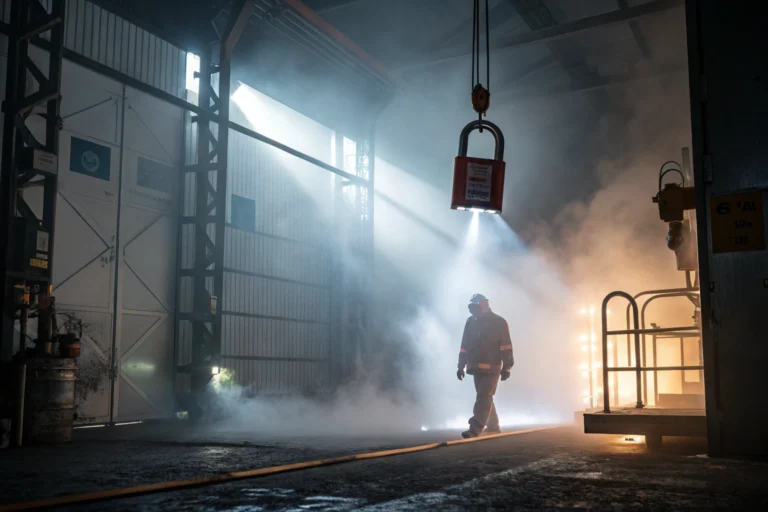
Lockout Hasp Selection is critical for ensuring worker safety during maintenance operations. Choosing the right hasp can prevent regulatory citations and protect employees. At a Glance: What is Lockout Hasp Selection? Hasp Selection defines the process of choosing a lockout…

Lockout Tagout padlocks are safety devices that prevent unauthorized equipment activation during maintenance, protecting workers from injuries and fatalities. They are the physical enforcement layer of your energy control program—and OSHA treats them as non-negotiable hardware for compliance. 730 companies…

Key Takeaways You inherited a lockout tagout program. Maybe it’s a binder collecting dust in the safety office. Maybe it’s a SharePoint folder nobody’s opened since 2019. Either way, you know what’s coming: an osha inspector who’s going to ask…

Key Takeaways The best lockout tagout station isn’t the cheapest one on Amazon. It’s the one that’s still intact three years from now with hardware that actually meets the four regulatory requirements. I’ve watched companies buy $89 plastic stations, fill…