Physical Address
304 North Cardinal St.
Dorchester Center, MA 02124
Physical Address
304 North Cardinal St.
Dorchester Center, MA 02124


Plug lockout devices are safety devices used to prevent equipment operation by physically blocking electrical plugs from reconnecting to power sources. The cord-and-plug exemption sounds simple until you realize OSHA’s definition of “exclusive control” has a specific regulatory definition most facilities miss. Cost of getting this wrong: up to $16,131 per violation.
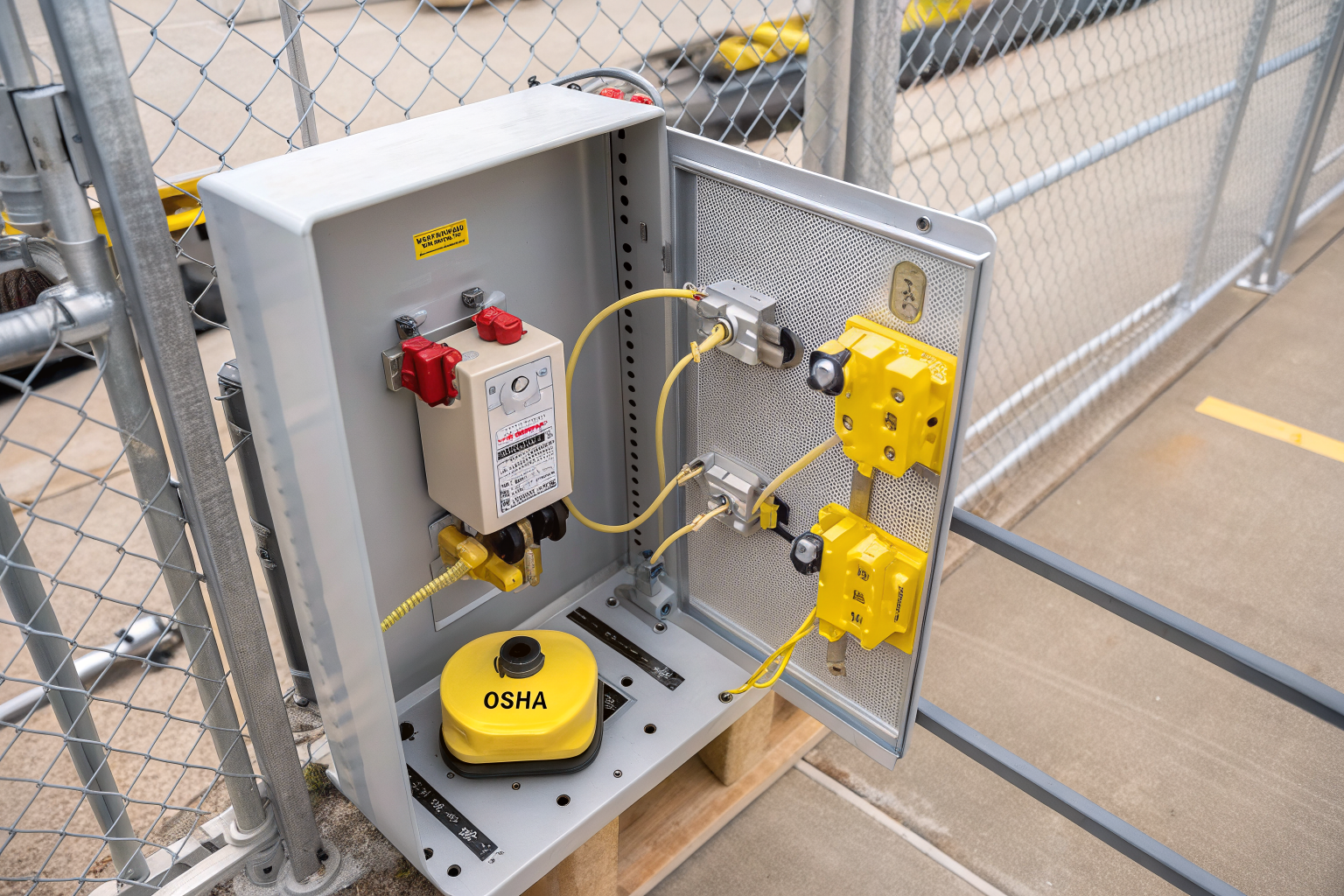
Plug lockout devices are defined as safety devices used to prevent equipment operation by enclosing electrical plugs and accepting a padlock. These lockout devices physically block an unplugged cord from reconnecting to its power source, giving the employee servicing the machine guaranteed isolation.
The operational context matters more than the definition. Plug lockout devices serve facilities where maintenance workers must unplug equipment but cannot remain within arm’s reach during the repair. A food processing plant replacing conveyor belts, a warehouse servicing packaging equipment, a manufacturing floor clearing jams — each scenario requires the worker to move away from the plug while the machine sits open.
Without a plug lockout device, the exemption fails. The plug sits unprotected. Another employee walks by, sees the unplugged cord, plugs it back in. The machine activates. This sequence killed workers before OSHA mandated energy control procedures.
The device itself is simple: a plastic or metal enclosure that covers the plug prongs and accepts a safety padlock. Cost: $15–40 depending on plug size and construction material. The device transforms an uncontrolled plug into a controlled energy isolation point that meets 29 CFR 1910.147 requirements.
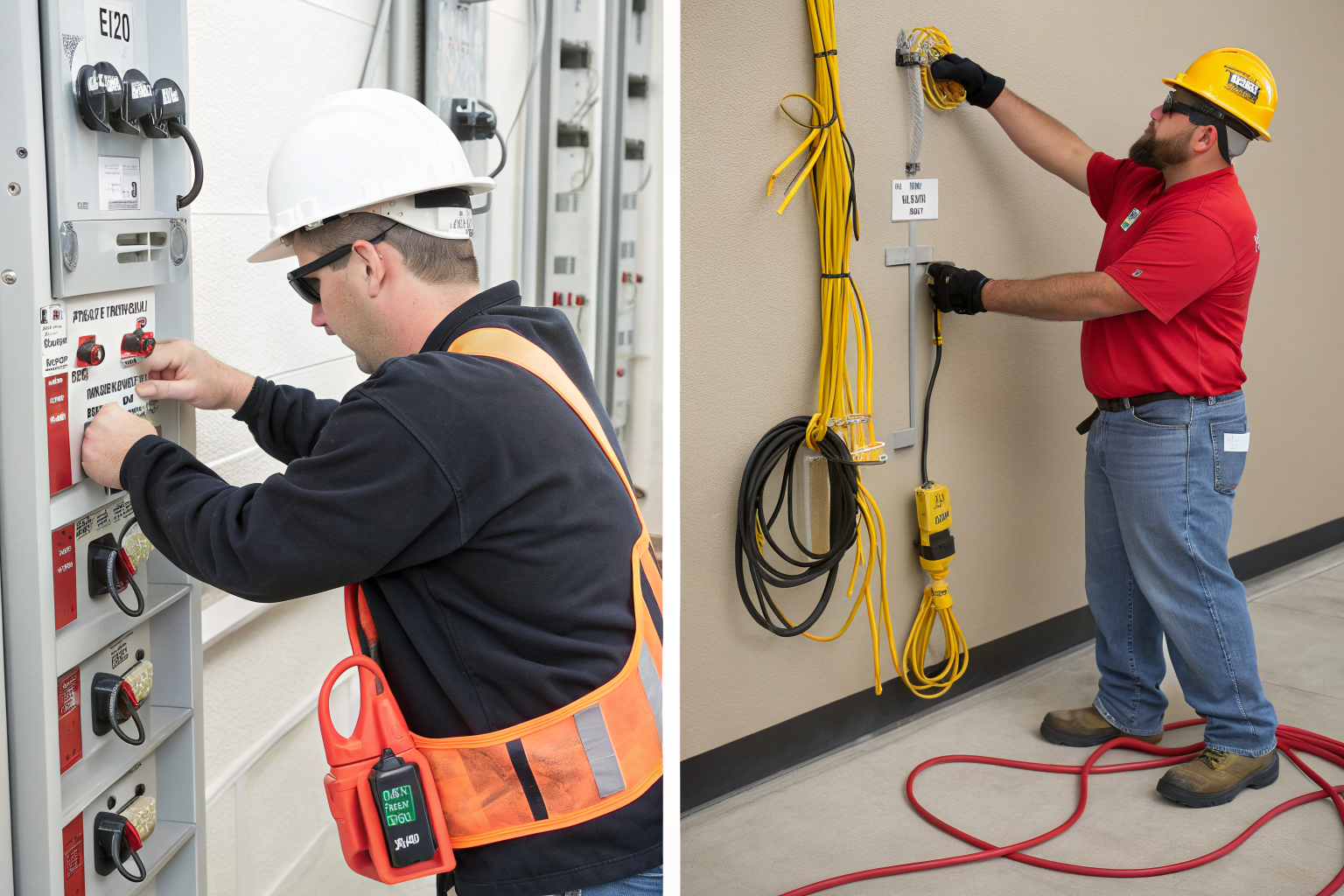
The cord-and-plug exemption is defined in 29 CFR 1910.147(a)(2)(iii)(A) as a narrow exception allowing maintenance workers to skip full lockout/tagout procedures under specific conditions. OSHA created this exemption recognizing that some low-risk scenarios involving cord-and-plug connected equipment don’t require the full procedural burden.
The exemption applies when ALL of these conditions exist: the equipment receives power only through a cord and plug connection, the employee performing maintenance unplugs the equipment, and the plug remains under the exclusive control of that employee throughout the service period.
Here’s where facilities fail. OSHA’s Letters of Interpretation define “exclusive control” with precision. Per OSHA guidance from June 30, 1993 and November 30, 2010, the plug qualifies as “under exclusive control” only when:
That second condition eliminates most real-world maintenance scenarios. Maintenance workers 15 feet away from the plug while servicing a machine do not have exclusive control. The extension cord running across the shop floor while you’re inside the equipment cabinet does not qualify. The exemption evaporates the moment you step away.
OSHA standards don’t bend for convenience. Either you meet the exemption criteria exactly, or you need full LOTO procedures — including plug lockout devices.
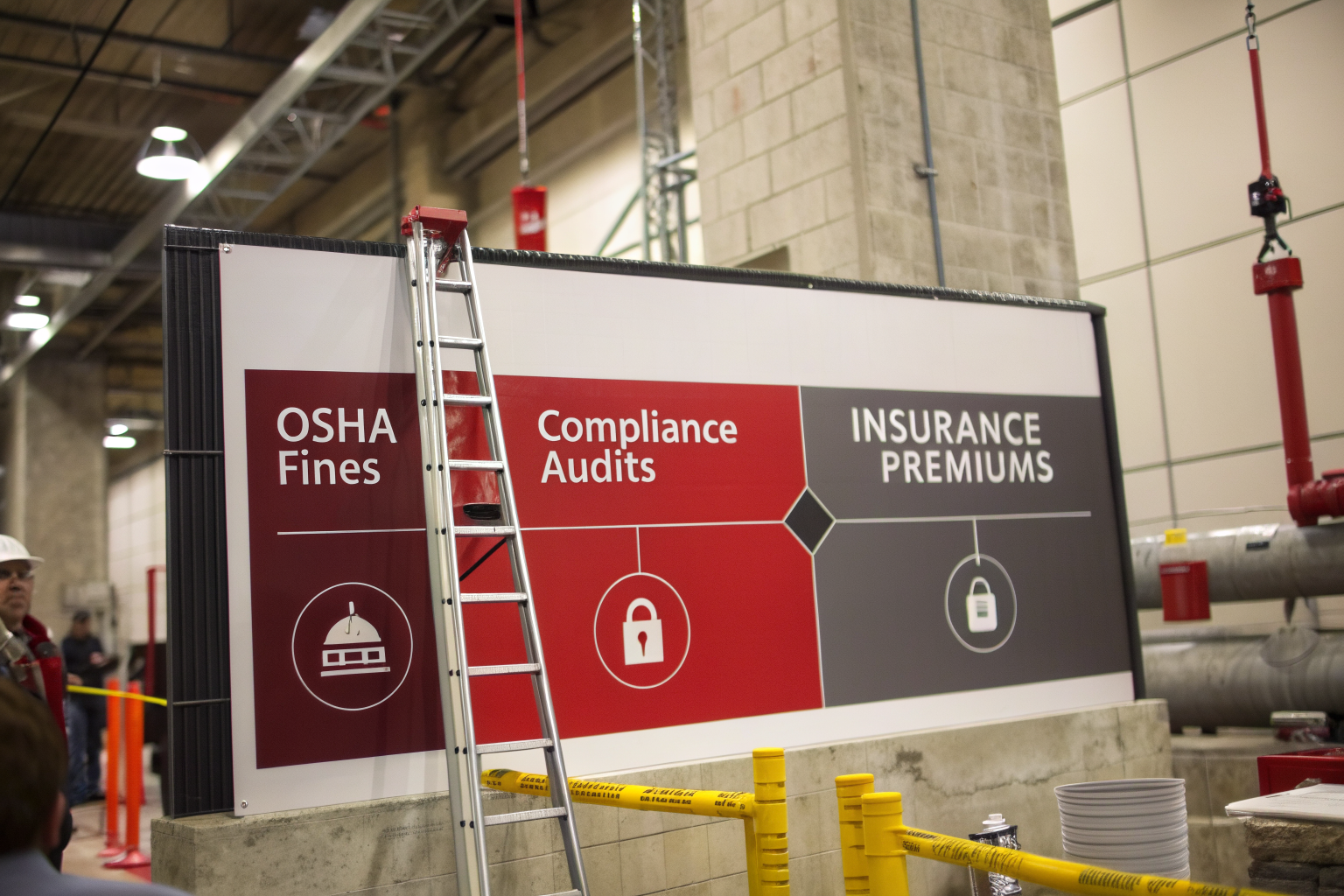
Cost of getting this wrong: up to $16,131 per violation. That’s the serious violation baseline — willful violations multiply it tenfold.
Violating lockout regulations can cost facilities far more than the fine amount suggests. The $16,131 per violation figure represents OSHA’s maximum serious violation penalty, but citations rarely arrive alone. A single audit finding improper plug lockout device usage often generates multiple citations: one for the missing device, one for inadequate procedures, one for insufficient training documentation.
| Violation Type | Base Fine | Maximum Fine | Multiplier Trigger |
|---|---|---|---|
| Serious | $16,131 | $16,131 | Per instance |
| Willful | $16,131 | $161,323 | Intent or knowledge |
| Repeat | $16,131 | $161,323 | Within 5 years |
| Failure to Abate | $16,131/day | Uncapped | After initial citation |
The financial penalties only start the bleeding. OSHA citations trigger operational shutdowns while facilities demonstrate corrective action. Insurance premiums adjust upward. Workers’ compensation experience ratings worsen. A single serious injury from improper energy control generates litigation costs exceeding $1 million in medical expenses, lost wages, and settlements.
Plug lockouts themselves cost $15–25 each. A facility-wide set of 50 devices runs under $1,500. Compare that to a single serious violation at $16,131 — not counting the operational disruption, increased scrutiny, and repeat violation exposure for the next five years.
The math is obvious. The exemption misunderstandings that lead to violations are not.
Exclusive control is crucial for safety during maintenance because it represents the single point of failure in OSHA’s energy isolation framework. Without exclusive control, the exemption collapses, the machine becomes energizable, and the employee working inside has no protection.
OSHA’s exclusive control requirement has a specific regulatory definition that facilities routinely misunderstand. The term doesn’t mean “I unplugged it.” It means the plug cannot be reconnected by anyone other than the employee performing maintenance — guaranteed, not assumed.
Maintenance workers must evaluate exclusive control honestly. Can another employee reach that plug? Can someone trip over the cord and accidentally reconnect it? Is the plug visible from your work position, or did you turn your back? Each “yes” answer means exclusive control doesn’t exist, and the cord-and-plug exemption no longer protects you.
The control measures that satisfy exclusive control include: physical possession of the plug in your hand or pocket, positioning within arm’s reach with continuous visual contact, or securing the plug with a lockout device. The first two options restrict your movement. The third option — using plug lockout devices — lets you work freely while maintaining verified isolation.
Facilities that skip exclusive control verification expose maintenance workers to the same hazards full LOTO programs prevent. Equipment activates unexpectedly. Stored energy releases. The injury reports all read the same: “Employee believed equipment was de-energized.”
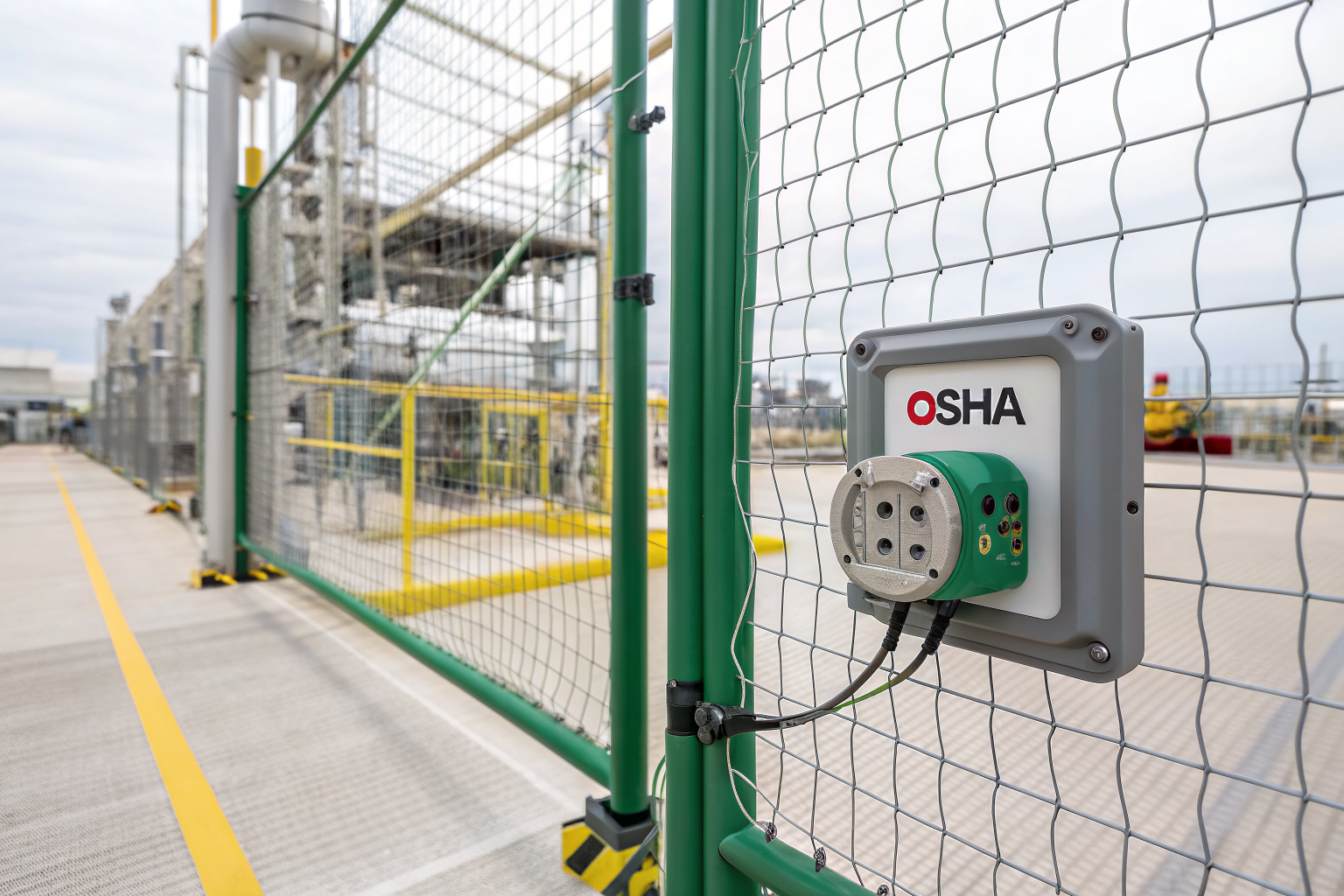
Common misunderstandings about plug lockout devices include over-reliance on exemptions, confusion about distance requirements, and false confidence in “common sense” protection. These safety misconceptions generate the majority of cord-and-plug related citations.
“Unplugging equals lockout.” Wrong. Unplugging removes energy, but without a plug lockout device or verified exclusive control, nothing prevents re-energization. An unplugged cord sitting on the floor is not a locked-out machine.
“The exemption covers all plug-connected equipment.” The exemption only applies when the employee maintains exclusive control. Move 15 feet away from an unprotected plug, and full LOTO requirements activate immediately.
“My coworkers know not to plug it back in.” OSHA standards assume the worst-case scenario: untrained personnel, shift changes, miscommunication. Safety protocols don’t rely on assumptions. Plug lockout devices provide verified protection; verbal agreements don’t.
“We’ve never had an incident.” Having no accidents is one of the eight conditions for the simplified single-energy-source exception under 1910.147(c)(4)(i). One incident — even a near-miss — eliminates that exception permanently and mandates full written procedures.
“These devices are just for electricians.” Any employee servicing cord-and-plug connected equipment needs to understand plug lockouts. Manufacturing operators clearing jams, food service workers cleaning equipment, warehouse staff performing maintenance — all face the same energy control requirements.
The misuse of devices goes beyond ignorance. Facilities buy plug lockouts, store them in a cabinet, and never train employees on when the cord-and-plug exemption requires their use. The devices exist. The program doesn’t. The citation follows.