Physical Address
304 North Cardinal St.
Dorchester Center, MA 02124
Physical Address
304 North Cardinal St.
Dorchester Center, MA 02124


Machine-specific lockout procedures are critical for workplace safety. They prevent energy-related accidents by clearly identifying isolation points and energy sources for each piece of equipment.
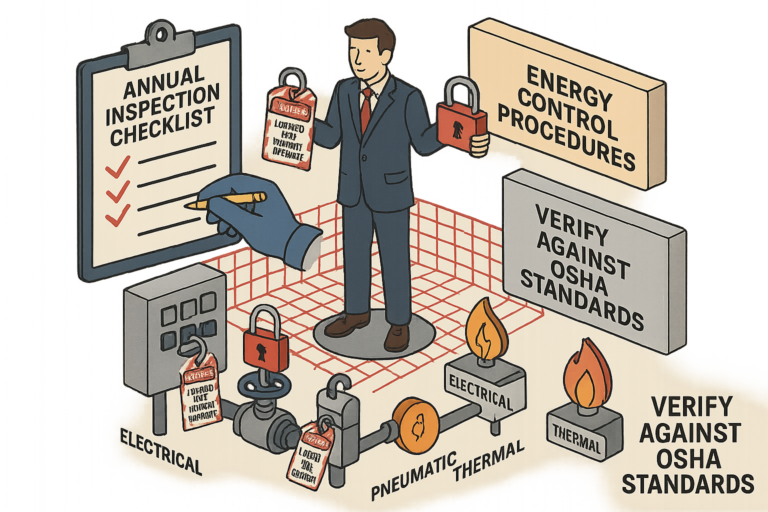
Machine-specific lockout tagout procedures are documented energy control procedures written for individual pieces of equipment — not equipment categories. These specific LOTO procedures detail exact energy sources, isolation points, and verification methods for a single machine.
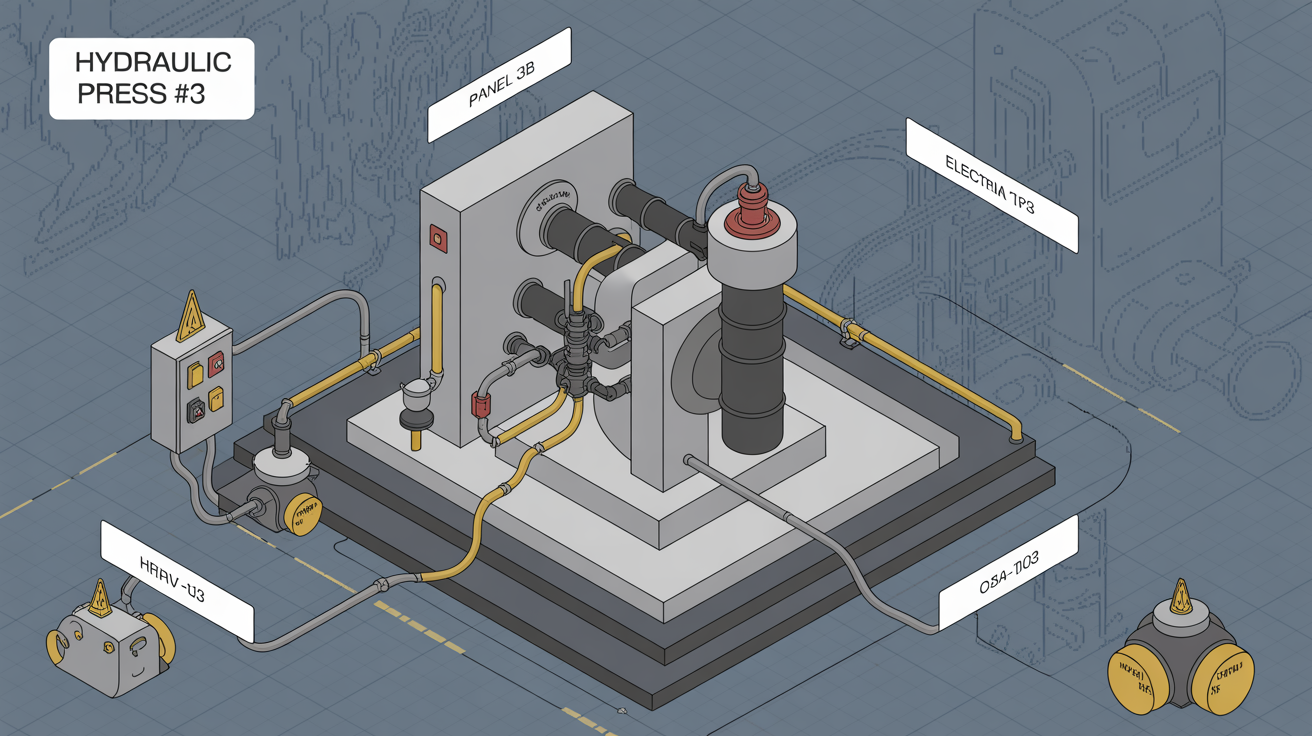
The definition matters for compliance. A procedure for “hydraulic presses” fails inspection. A procedure for Hydraulic Press #3 that identifies 480V electrical at Panel 3B, hydraulic (valve HV-103), and pneumatic (valve PV-22) passes.
What are the consequences of improper lockout/tagout procedures? Workers face unexpected energization. An authorized employee following vague steps misses the second electrical feed. The machine activates during servicing.
How to train employees on machine-specific lockout/tagout procedures? Training must occur at the actual equipment. Employees need hands-on experience locating isolation points — not classroom theory about generic lockout concepts.
| Procedure Type | Identifies | OSHA Compliance |
|---|---|---|
| Generic | “All energy sources” | Fails inspection |
| Machine-Specific | “480V at Panel 3B, Breaker 12” | Passes inspection |
| Category-Based | “Hydraulic Presses” | Fails inspection |
| Equipment-Based | “Hydraulic Press #3, Asset HP-003” | Passes inspection |
Machine-specific lockout tagout procedures transform abstract safety requirements into actionable steps that achieve zero energy state for one specific machine. Each procedure documents the path from energized equipment to verified isolation using that machine’s exact controls and disconnects.
Generic procedures fail because they are applied to specific equipment without addressing that equipment’s unique energy configuration. Energy Control Procedures violations rank #1 among LOTO citations — 730 violations in FY2024 trace directly to this documentation gap.
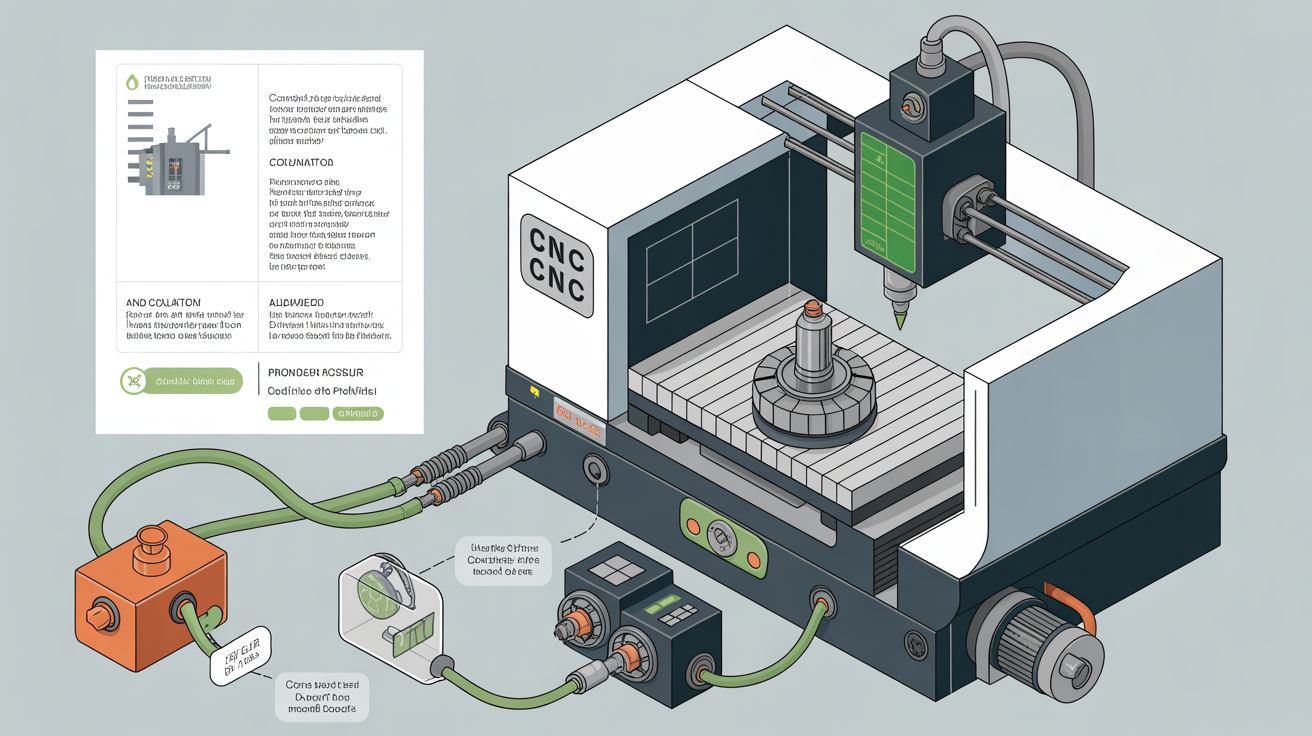
The failure pattern repeats across industries. A facility maintains one procedure titled “General LOTO.” An inspector requests the procedure for a specific CNC machine. The employer produces the generic document. Citation issued.
What are the consequences of not following machine-specific lockout tagout procedures? Generic documentation creates three failure modes:
Missed energy sources: Generic procedures state “isolate electrical.” The specific machine has main power AND control circuits. Workers isolate one. The other remains live.
Unspecified isolation points: Generic procedures reference “the disconnect.” Which disconnect? The panel contains six breakers. Workers guess wrong.
Absent verification methods: Generic procedures say “verify de-energization.” The specific machine requires accumulator pressure at 0 PSI and voltage measurement at motor terminals. Generic guidance skips these checks.
How to create effective machine-specific lockout tagout procedures? Document what generic approaches omit: exact panel locations by equipment tag, specific valve identifiers, and verification methods that confirm zero energy state for THAT machine.
The 8-criteria exception allows skipping written procedures only when ALL eight conditions are required simultaneously — single energy source, no stored energy, exclusive control maintained, and zero incident history. Most equipment fails at least one condition. The exception rarely applies in practice.
| Generic Statement | Why It Fails | Machine-Specific Alternative |
|---|---|---|
| “Identify energy sources” | Which sources? | “Three sources: electrical, hydraulic, pneumatic” |
| “Lock isolation points” | Which points? | “Breaker 12 in Panel 3B, east wall” |
| “Verify isolation” | How? | “Accumulator gauge reads 0 PSI” |
Training employees on machine-specific lockout tagout procedures improves both comprehension and compliance. Employees retain procedure details when instruction occurs at the actual equipment they will service.
Conduct equipment-specific walkthroughs at the machine. Position employees at Hydraulic Press #3. Walk through each step while pointing to isolation points. What are the consequences of improper lockout/tagout procedures? Demonstrate — explain what happens when an accumulator holds pressure or a control circuit remains energized.
Require hands-on lockout execution with actual hardware. Employees must understand isolation points through physical practice. Hand them a personal padlock and lockout devices. Direct them to locate Panel 3B without assistance. Watch them verify pressure gauges read 0 PSI.
Document authorization by specific equipment. Track which employees are authorized for which machines. Authorization for Hydraulic Press #3 does not extend to Hydraulic Press #4 — different isolation points require different training.
Validate procedure execution during periodic inspections. An authorized employee OTHER than the one who normally uses the procedure must observe execution annually. How to create effective machine-specific lockout tagout procedures? Use inspection findings to update documentation when gaps appear.
Retrain immediately when equipment changes. Modifications that alter energy sources or isolation points trigger retraining for all affected employees before servicing resumes.
| Training Element | Generic Approach | Machine-Specific Approach |
|---|---|---|
| Location | Classroom | At the equipment |
| Content | “LOTO principles” | “Hydraulic Press #3 procedure” |
| Verification | Written test | Observed lockout execution |
| Authorization | “LOTO trained” | “Authorized for HP-003” |
Training employees improves machine-specific procedures by revealing documentation errors through real-world execution.

Not following procedures leads to serious accidents — equipment activation during maintenance causes amputations, crush injuries, electrocutions, and fatalities. Violations can cost $16,131 per violation for serious citations, with willful violations reaching $165,514 for willful violations.
What are the consequences of improper lockout/tagout procedures? The impacts cascade across regulatory, operational, and human dimensions:
Regulatory penalties escalate with severity. Serious violations carry $16,131 per violation as the base. Repeat violations within five years multiply penalties. Failure to abate triggers daily fines until correction.
Investigations halt operations. Inspections disrupt production schedules. Citation responses consume management time. Corrective action mandates immediate procedure rewrites under regulatory supervision.
Injuries create lasting consequences. Average lost-workday injury requires 24 days of recovery. Serious workplace injuries cause permanent disability. Fatalities from unexpected energization occur within seconds.
What are the consequences of not following machine-specific lockout tagout procedures? Workers die because a generic procedure failed to identify the second energy source or the stored energy in an accumulator that wasn’t bled.
| Consequence Type | Specific Impact |
|---|---|
| Serious Citation | $16,131 per violation |
| Willful Citation | Up to $165,514 per violation |
| Lost Workday Injury | 24 days average recovery |
| Repeat Violation | Multiplied penalties within 5 years |
The visible fine understates total cost. Investigations trigger production shutdowns, legal expenses, and mandatory retraining — expenses that compound beyond the base penalty amount.
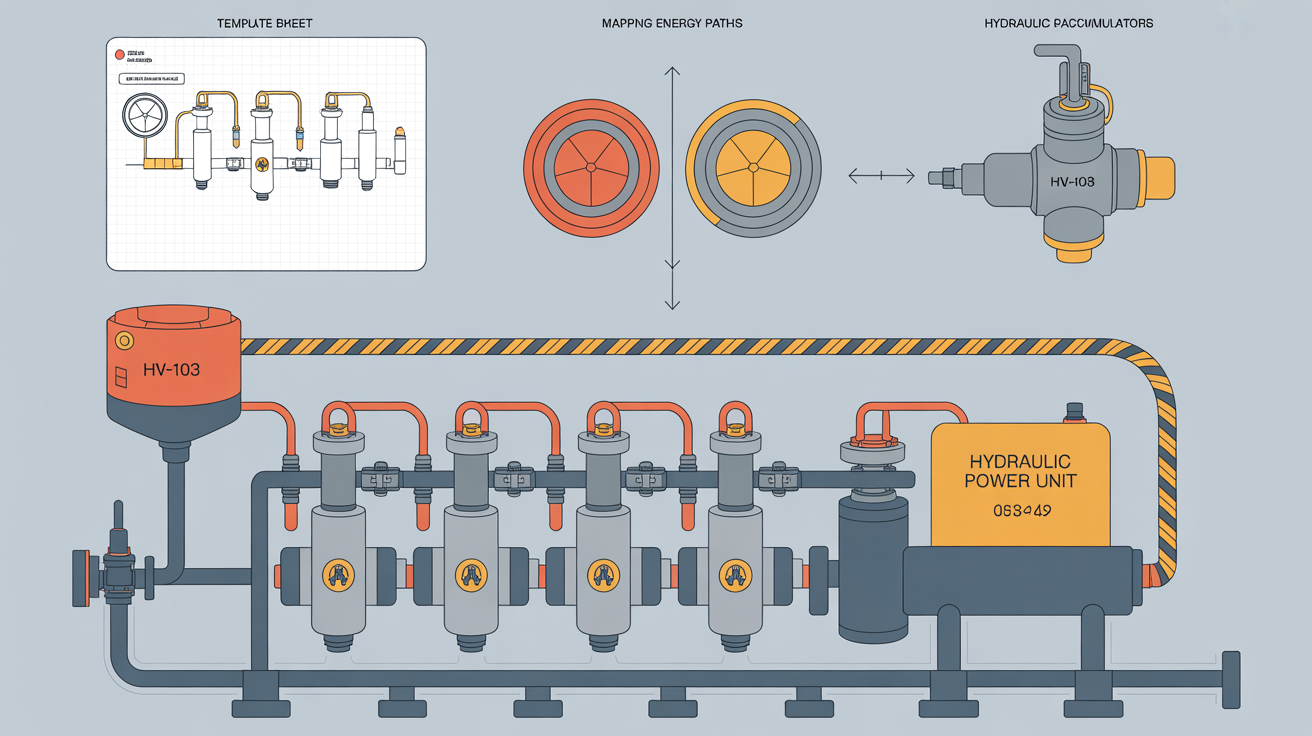
Effective procedures must identify all energy sources and their isolation points for each piece of equipment. Machine-specific procedures document energy control procedures through systematic equipment analysis — not template copying.
Survey equipment physically to map every energy path. Walk each connection from source to point of use. Trace electrical feeds from disconnect to motor. Follow hydraulic lines from pump to actuator. Identify stored energy in accumulators, capacitors, and elevated loads. How to train employees on machine-specific lockout/tagout procedures? Include maintenance staff in this survey — they know where energy hides.
Document each isolation point with location specifics. Record panel numbers, valve tags, and physical directions. “Valve HV-103 on north side of hydraulic power unit” enables location. “Hydraulic valve” does not.
Specify verification methods for each energy source. Electrical isolation requires voltage measurement at specific terminals. Hydraulic isolation requires pressure readings at 0 PSI on accumulator gauges. Pneumatic systems need supply gauge verification showing zero pressure.
Write step-by-step sequences in execution order. What are the consequences of improper lockout/tagout procedures? Sequence errors create exposure. Document preparation, shutdown, isolation, lockout, and verification in the order an authorized employee performs them.
Validate procedures through trial lockout before deployment. Have an employee execute the procedure exactly as written. Can they achieve zero energy state? Did they locate every isolation point without confusion? Gaps reveal documentation failures requiring revision.
| Procedure Element | Required Content | Example |
|---|---|---|
| Equipment ID | Asset number, location | “Hydraulic Press #3, Asset HP-003” |
| Energy Sources | Type, magnitude | “480V electrical at Panel 3B” |
| Isolation Points | Device tag, position | “Valve HV-103, north side of HPU” |
| Verification | Test method, expected result | “Accumulator gauge must read 0 PSI” |
Machine-specific procedures document energy control procedures that generic templates cannot capture. The investment prevents the 730 violations in FY2024 that occur when facilities skip equipment-specific documentation.