Physical Address
304 North Cardinal St.
Dorchester Center, MA 02124
Physical Address
304 North Cardinal St.
Dorchester Center, MA 02124

The LOTO minor servicing exception allows specific activities to occur without full lockout/tagout protocols if they meet strict criteria for safety and routine operation.
The LOTO minor servicing exception is a regulatory provision under 29 CFR 1910.147(a)(2)(ii) that exempts certain activities from full lockout/tagout requirements when specific conditions exist. This safety regulation exists because OSHA recognized that some machine interactions during production don’t warrant complete energy isolation procedures.
The OSHA LOTO standard full text establishes the framework. Facilities consistently misread the exception’s boundaries. LOTO procedures don’t disappear under this exception — they shift from full lockout to alternative safety protocols that must provide equivalent worker protection.
OSHA created this exception with narrow intent. Not broad permission. The agency balanced worker protection against production efficiency, landing on strict qualifying criteria rather than blanket exemptions. The exception doesn’t eliminate protection — it substitutes alternative measures for traditional lockout devices.
Most facilities claiming the exception fail to meet its actual criteria. They confuse frequency with qualification. They assume historical practice equals regulatory approval. The gap between perceived and actual qualification creates exposure that auditors identify immediately.
The exception applies only during normal production operations when the activity meets all three criteria simultaneously. Partial compliance grants no exemption. It grants citations.
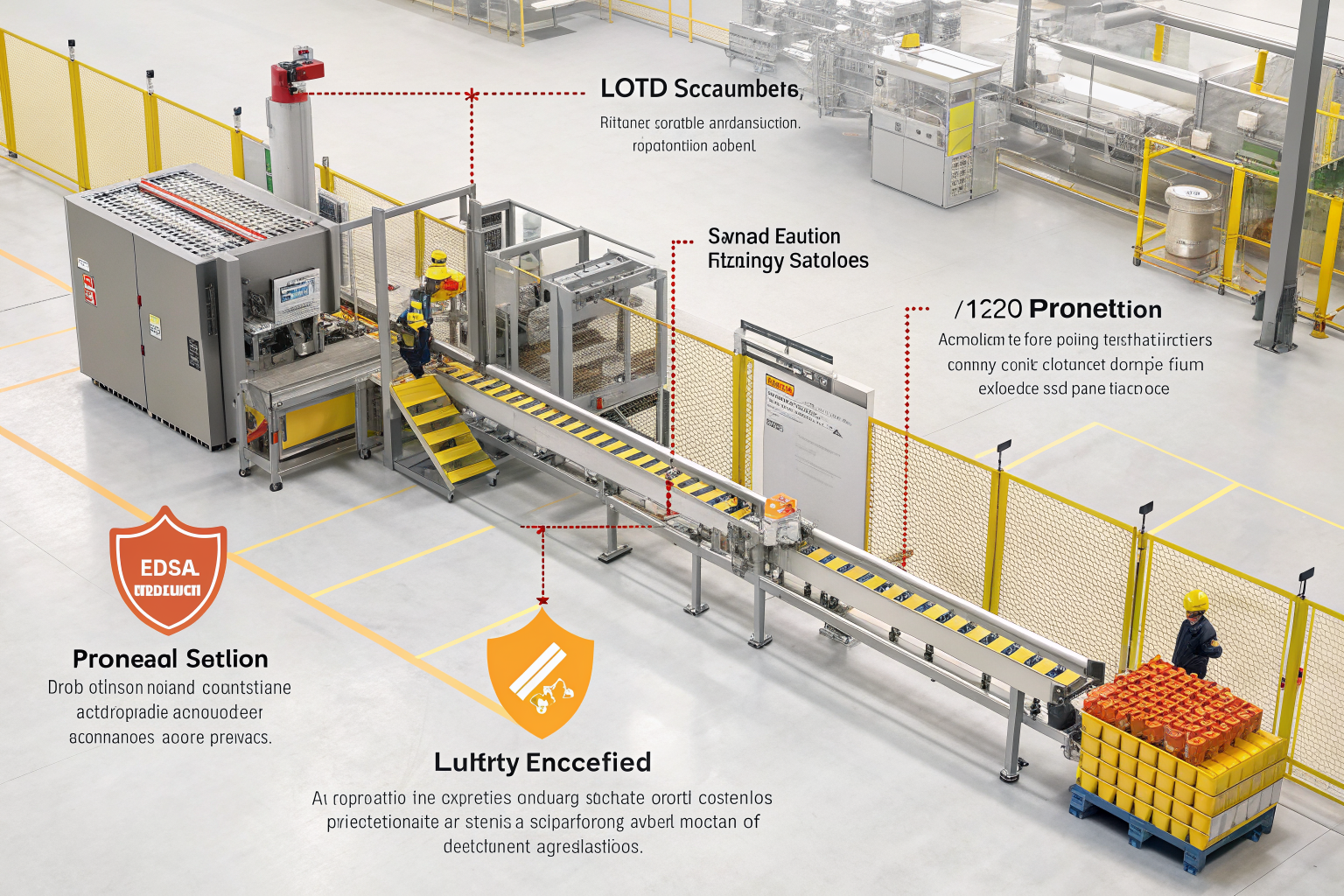
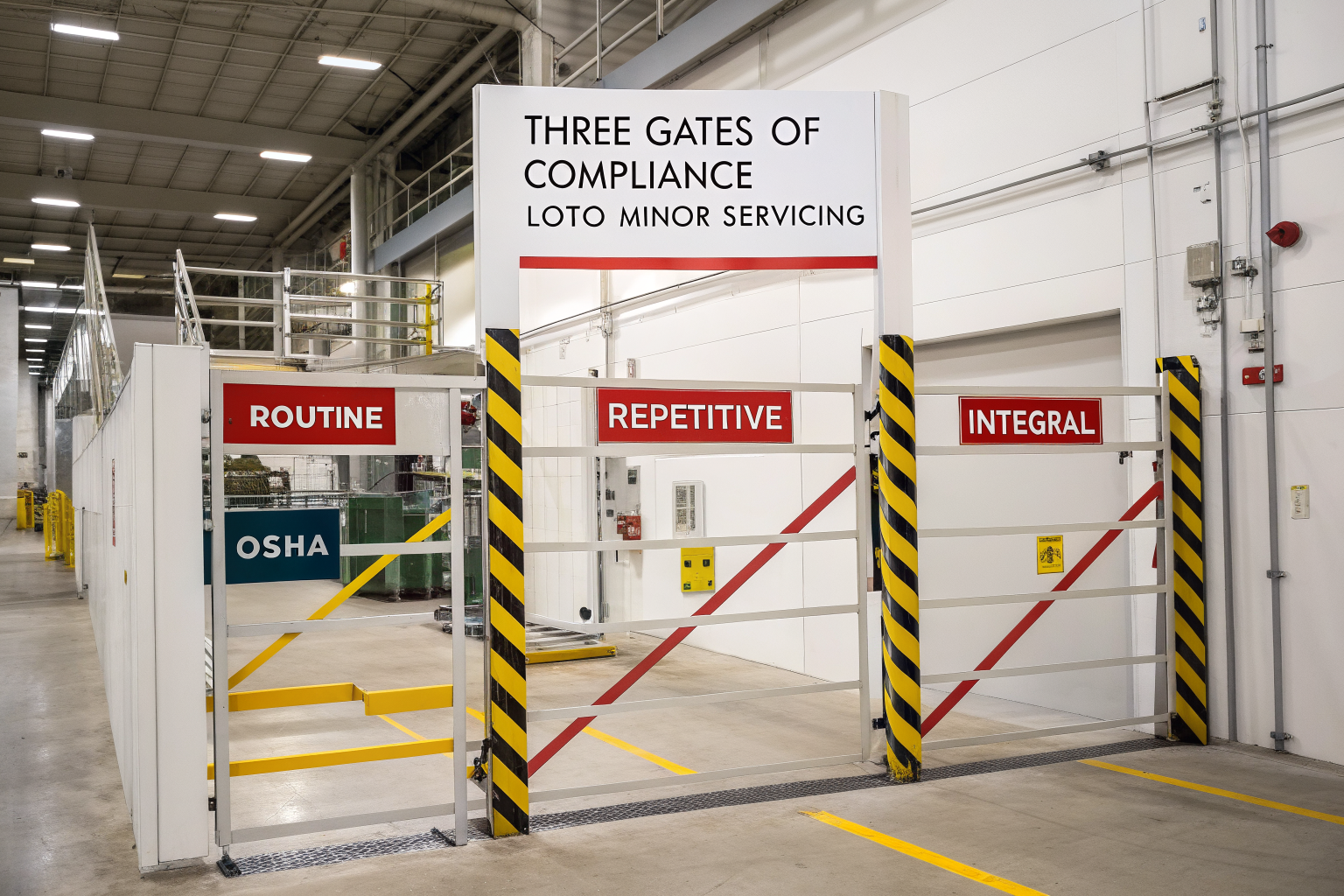
Specific criteria defines which activities qualify as qualifying activities under the LOTO minor servicing exception. Three words carry the regulatory weight: routine, repetitive, integral. All three must be satisfied. Meeting two grants nothing.
The criteria that separate exempt activities from citation magnets:
Routine means the activity occurs regularly as part of normal production operations. Not occasionally. Not when equipment fails. Regularly and predictably as the machine operates during standard workflows.
Repetitive means the activity occurs frequently — OSHA interprets this as multiple times per shift or per production cycle. Monthly PM activities fail this test regardless of schedule consistency. Clearing a jam three times a shift doesn’t satisfy routine because the machine wasn’t designed to jam.
Integral means the activity is essential to the production process itself. Minor tool changes must be necessary for production to continue. Not merely convenient.
Each criterion functions as a filter eliminating different activity types. Miss one, you’re exposed. Facilities claiming exemption without meeting all criteria face serious consequences. Violations result in $16,131 per violation at minimum. OSHA inspectors probe each criterion independently: How often does this occur? Is it scheduled or reactive? Can production continue without it?
The specific criteria is related to minor servicing activities by establishing the boundary condition between exempt and non-exempt work.
The LOTO minor servicing exception applies to minor tool changes and tool adjustments only when all criteria are satisfied during normal production operations. Application frequency varies dramatically by industry, equipment type, and facility understanding of the standard’s requirements.
Energy control procedures govern how often facilities can legitimately claim the exception. Manufacturing operations with quick-change tooling designed for rapid changeovers may qualify multiple times per shift. Facilities with less automated equipment rarely have qualifying maintenance activities.
The 730 companies cited for inadequate energy control procedures in FY2024 tells the real story. Most facilities overclaim the exception. Many maintenance activities facilities treat as exempt actually require full LOTO compliance.
These common activities rarely qualify despite facility assumptions:
Unjamming equipment — Jams represent equipment malfunctions, not routine maintenance. The machine wasn’t designed to jam.
Monthly preventive maintenance — PM activities occur on schedules, but monthly frequency doesn’t satisfy “repetitive” when OSHA expects multiple occurrences per shift.
Setup activities — Setup occurs before normal production operations begin, failing the boundary condition entirely.
The exception creates a narrow pathway. Not a broad permission. Most facilities discover their claimed exceptions don’t hold when OSHA arrives.
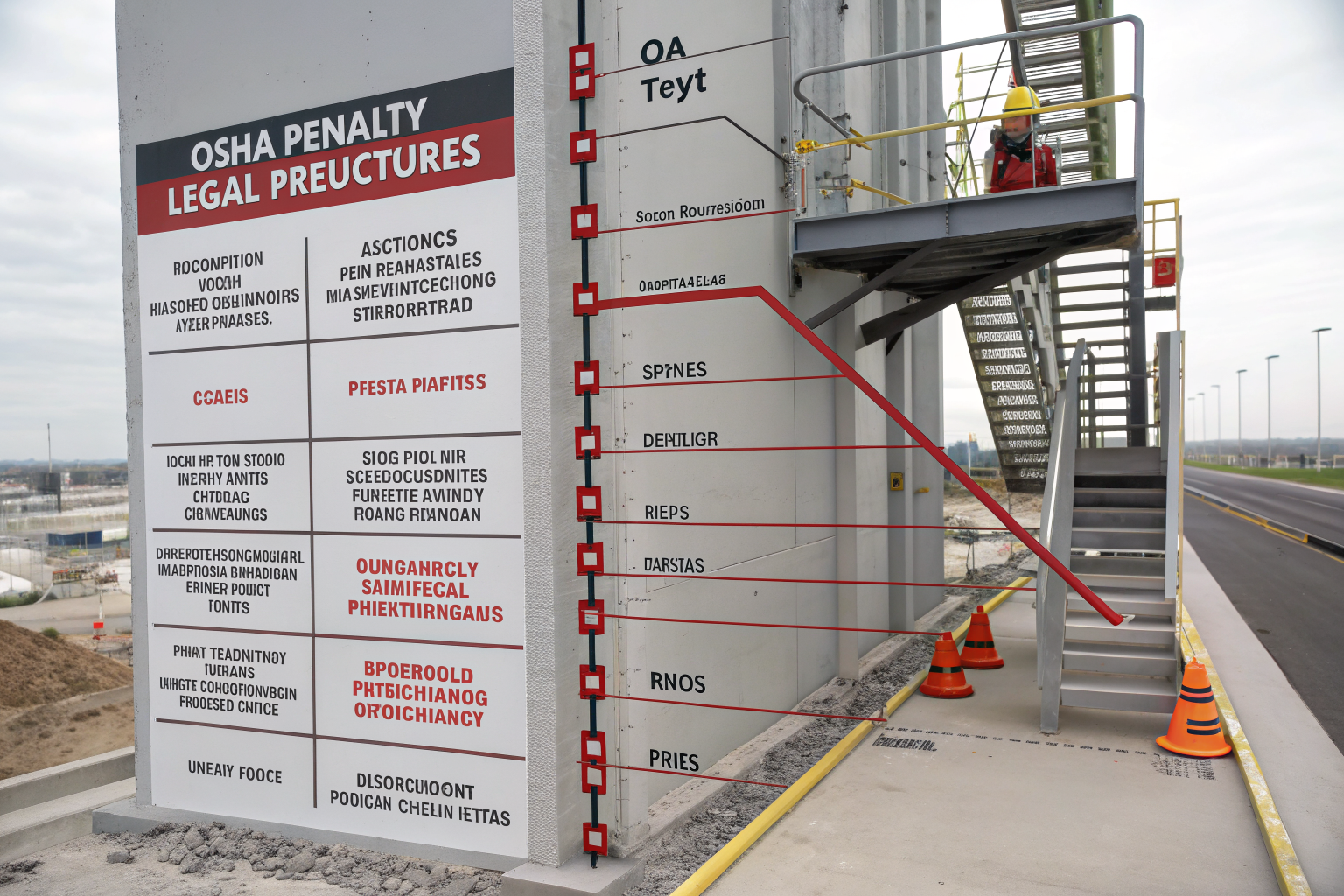
Misapplication of the LOTO minor servicing exception results in penalties that can devastate operational budgets. OSHA treats improper exception claims as serious safety violations with corresponding financial and legal repercussions.
| Violation Type | Penalty Amount | Classification Trigger |
|---|---|---|
| Serious | $16,131 per instance | Each non-compliant activity |
| Willful | Up to $165,514 per instance | Intentional disregard of requirements |
| Repeat | Up to $165,514 per instance | Same violation within 5 years |
| Failure to Abate | $16,131/day | Continued violation after citation |
Regulatory compliance failures extend beyond direct fines imposed by OSHA. Safety violations trigger:
Facilities continuing invalid exception claims after notification face willful violation classification. This converts $16,131 serious violations into fines reaching $165,514 per instance. What looked like a minor compliance gap becomes enterprise-level liability.
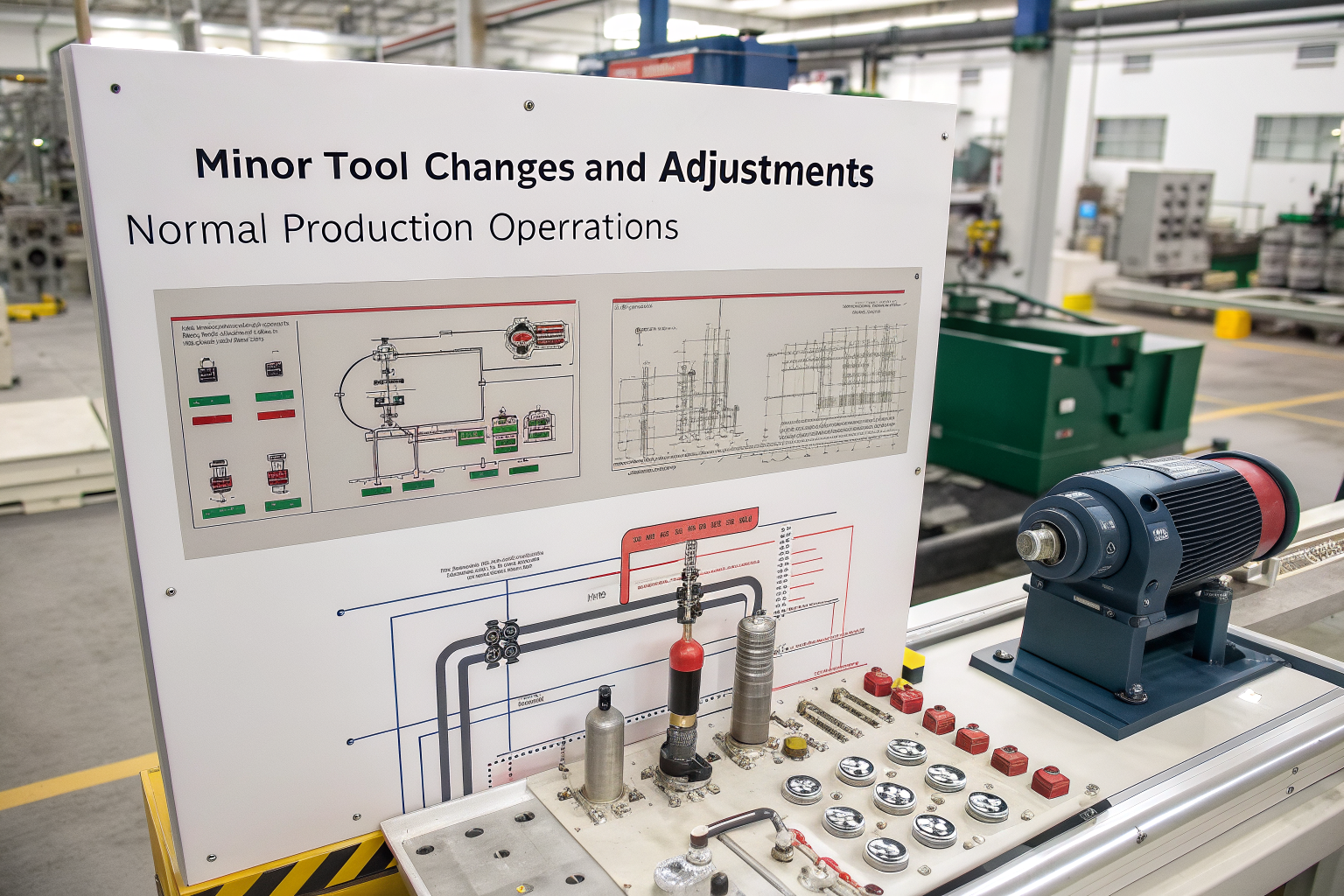
Organizations must implement alternative measures that provide effective protection when claiming the LOTO minor servicing exception. OSHA’s regulatory text establishes the compliance framework:
“Minor tool changes and adjustments, and other minor servicing activities, which take place during normal production operations, are not covered by this standard if they are routine, repetitive, and integral to the use of the equipment for production, provided that the work is performed using alternative measures which provide effective protection.”
Document qualifying activities explicitly. Identify each activity claimed under the exception with written analysis showing all three criteria are satisfied. Safety protocols require specific documentation for each claimed exemption. Without documentation, you have no defense.
Implement engineering controls as alternative measures. Organizations must implement alternative measures including interlocked guards, presence-sensing devices, specially designed tools, or two-hand controls. Administrative controls alone don’t satisfy the “effective protection” requirement. Engineering beats paperwork.
Train employees on exception boundaries. Employee training must cover both what qualifies and what doesn’t. Workers need to recognize when full LOTO applies versus when protective measures suffice. Confusion creates exposure.
Establish inspection and verification procedures. Safety protocols require regular audits of claimed exceptions. Document that equipment safeguards remain functional and that activities still meet all criteria. Inspectors will ask.
Create escalation procedures for ambiguous situations. When activity qualification is unclear, default to full LOTO procedures. The cost of over-compliance is zero. The cost of under-compliance starts at $16,131.
Even legitimate exceptions require audit trails. Document which activities qualify, why each criterion is met, what protective measures apply, and how those measures are maintained. Undocumented exceptions fail audits regardless of actual qualification.
Minor servicing activities occur during normal production operations and meet all three criteria: routine, repetitive, and integral. Regular maintenance supports production but isn’t essential to immediate production cycles. The distinction determines whether full LOTO procedures apply or alternative protective measures suffice.
Previous incidents involving unexpected energization may disqualify equipment from certain exceptions. OSHA evaluates incident history when assessing energy control programs. Facilities with incident histories face heightened audit scrutiny.
No. Only minor tool changes that occur during normal production operations and meet all three criteria qualify. Tool changes after jams, during Setup, or requiring entry into hazard zones without engineering controls require full LOTO.
Disagreement results in citations at $16,131 per violation minimum. Continued non-compliance converts serious violations to willful classifications at $165,514 per instance. Contesting citations requires demonstrating all three criteria are met with documented alternative measures.