Physical Address
304 North Cardinal St.
Dorchester Center, MA 02124
Physical Address
304 North Cardinal St.
Dorchester Center, MA 02124


Lockout Tagout Periodic Inspection is essential for compliance. In FY2024, 362 companies faced violations, highlighting the need for proper certification and inspections.
Core requirements for lockout tagout Periodic Inspection:
| Requirement | OSHA Standard | Compliance Output |
|---|---|---|
| Observation | Watch employee perform procedure | Documented verification |
| Review | Discuss responsibilities | Employee acknowledgment |
| Certification | Written record with 4 elements | Audit-ready documentation |
Lockout tagout periodic inspection requirements trip up EHS managers more than almost any other LOTO subsection. The periodic inspection requirement has two distinct parts that most programs conflate: physical observation and written certification. When an osha compliance officer asks for certification, you cannot simply hand over training records — these serve different regulatory purposes. This guide breaks down exactly what osha requires for lockout tagout annual inspection compliance, including the regulatory language and certification elements.

Lockout Tagout Periodic Inspection defines the process to ensure safety during maintenance by verifying that energy control procedures remain effective and that employees follow documented steps correctly.
OSHA requires inspection AND certification as two separate compliance outputs under the control of hazardous energy standard. The inspection component requires direct observation — an inspector watches an employee execute the energy control procedure review on actual equipment. The certification component requires written documentation containing four mandatory elements: machine identification, inspection date, employees included, and inspector identity.
Definition components of Lockout Tagout Periodic Inspection:
The definition of Lockout Tagout Periodic Inspection extends beyond compliance checking. OSHA designed this requirement to detect “procedural drift” — gradual deviation from written procedures that occurs when employees perform identical tasks repeatedly without external verification. The employer conducts a periodic inspection of the energy control procedure to confirm written steps match actual practice.
| Inspection Output | Purpose | Required Documentation |
|---|---|---|
| Observation | Verify procedure execution | Inspector notes on steps observed |
| Review | Confirm employee understanding | Participant signatures |
| Certification | Prove inspection occurred | Four-element certification form |
Where tagout is used for energy control, the periodic inspection shall include a review with each authorized and affected employee regarding their responsibilities. This additional requirement exists because tagout relies on warning devices rather than physical barriers — making employee understanding critical for safety.
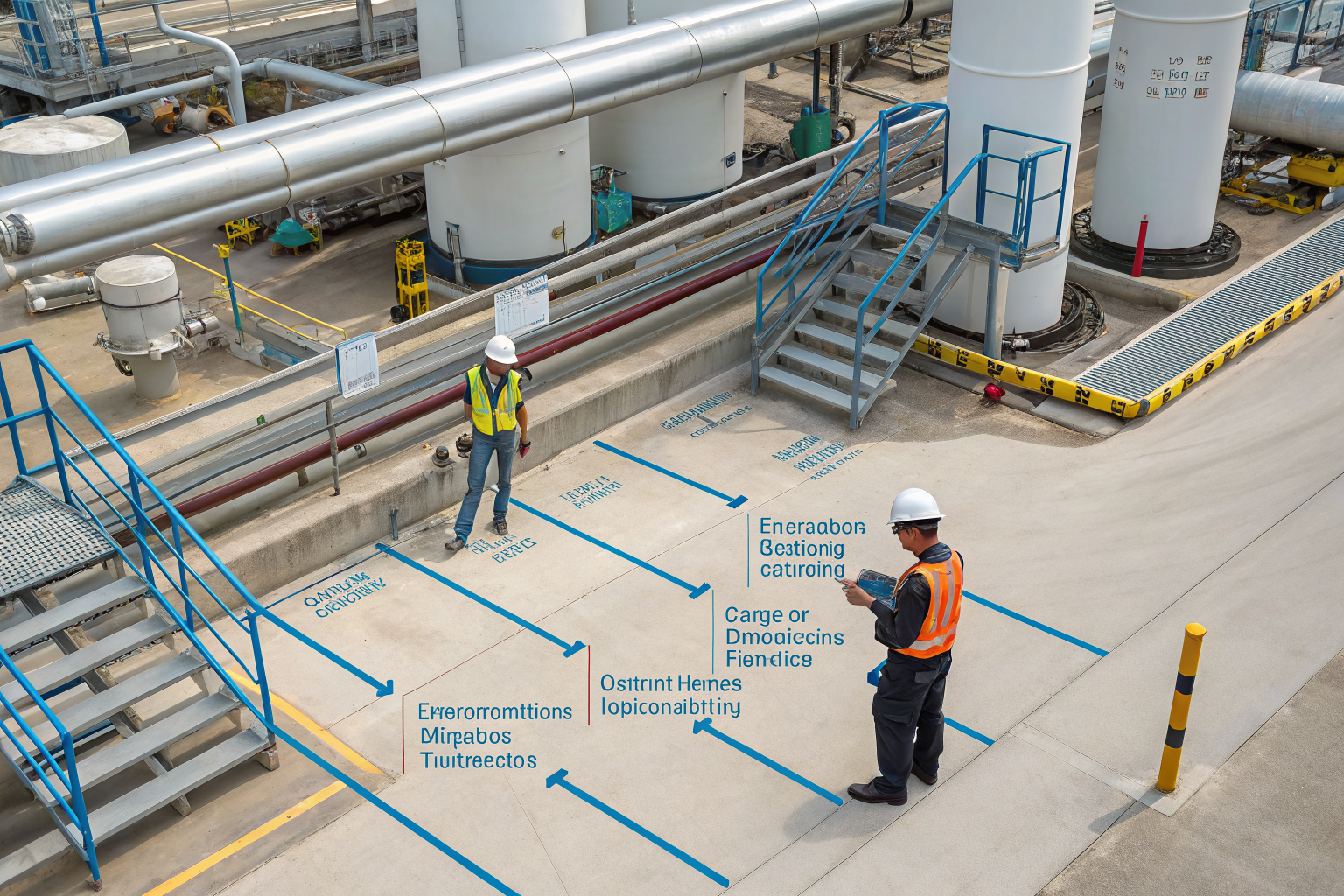
Importance of periodic inspections: These inspections prevent accidents and injuries by identifying procedural gaps before workplace incidents occur. According to OSHA LOTO Citation Statistics FY2024, 362 companies cited for periodic inspection violations faced enforcement actions that disrupted operations and created financial liability.
The importance of periodic inspections spans safety, financial, and operational domains:
EHS managers face a specific challenge when distinguishing inspection from training. Both occur annually. Both involve reviewing energy control procedures. But training teaches employees what to do — inspection verifies they actually do it. Programs that substitute training records for inspection certification face citations regardless of safety investments.
Risk comparison for energy control procedures:
| Scenario | Without Inspection | With Inspection |
|---|---|---|
| Procedural drift | Undetected until incident | Caught and corrected annually |
| Documentation gaps | Discovered during audit | Identified proactively |
| Employee shortcuts | Normalized over time | Flagged by outside observer |
The 362 companies cited for periodic inspection violations represent documented enforcement actions from a single fiscal year. Periodic inspections prevent safety violations by creating systematic checkpoints that force procedure review regardless of incident history.
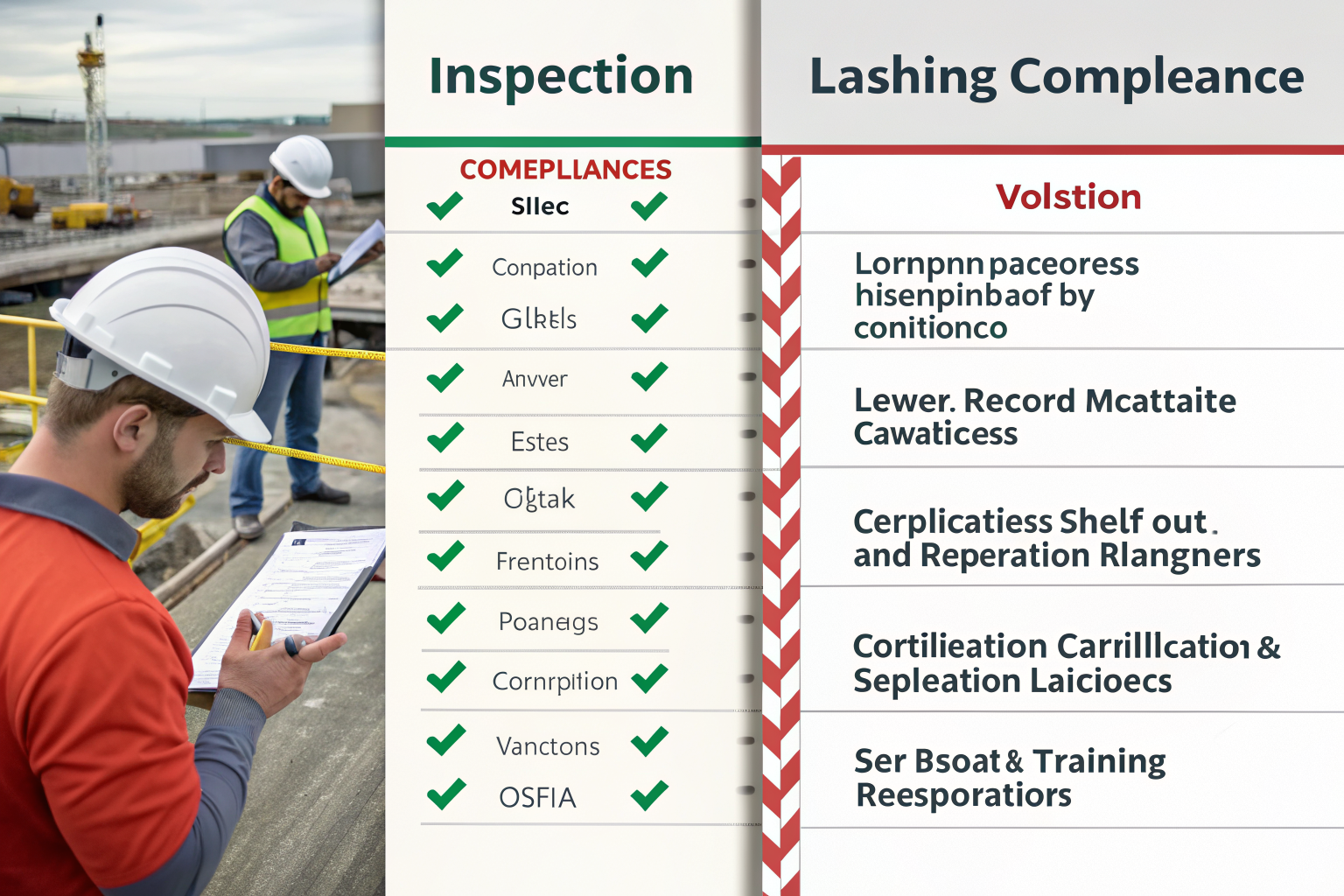
Periodic inspections must occur at least annually per 29 CFR 1910.147(c)(6) for each energy control procedure. This frequency requirement applies per-procedure, not per-facility or per-department.
Steps to establish compliant Lockout Tagout Periodic Inspection frequency:
The “annually” standard under 29 CFR 1910.147(c)(6) means within 12 months of the previous inspection — not calendar year. An authorized employee performs each inspection, and certification must document their identity along with the specific equipment inspected.
Frequency compliance timeline:
| Month | Action | Certification Required |
|---|---|---|
| Months 1-10 | Conduct inspections per schedule | Individual certification forms |
| Month 11 | Review completion status | Gap analysis documentation |
| Month 12 | Complete remaining inspections | Final certifications before anniversary |
The implications of insufficient inspection frequency extend beyond citations. Procedures that go uninspected beyond 12 months often contain obsolete steps reflecting equipment modifications. Yearly inspections under Lockout Tagout Periodic Inspection catch these gaps before they create hazardous conditions during maintenance activities.
Common failures include inadequate training records, self-inspection, and incomplete certification documentation. Periodic inspection violations rank as the 3 most-cited LOTO deficiency according to OSHA enforcement data, creating substantial citation exposure for non-compliant facilities.
List of common failures in Lockout Tagout Periodic Inspection:
Failure analysis by category:
| Failure Type | Regulatory Violation | Consequence |
|---|---|---|
| Wrong inspector | 1910.147(c)(6)(i)(A) | Automatic citation |
| Missing elements | 1910.147(c)(6)(ii) | Incomplete certification |
| Wrong scope | Per-procedure requirement | Multiple citations |
EHS managers frequently misunderstand the scope requirement. The regulation mandates inspection of “the energy control procedure” — each individual written procedure. Facilities with 50 machines need 50 separate inspections and certifications. A single program review does not satisfy this requirement.
The hidden pitfalls that lead to citations often involve documentation format. Training records and inspection certifications require different data elements — conflating these creates compliance gaps that auditors identify immediately.
Inspections must be conducted by an authorized employee who holds LOTO authorization under the energy control program but does not routinely use the specific procedure being inspected.
“The periodic inspection shall be performed by an authorized employee other than the one(s) utilizing the energy control procedure being inspected.”
— 29 CFR 1910.147(c)(6)(i)(A)
Definition of qualified inspector for Lockout Tagout Periodic Inspection:
An authorized employee is a person trained and authorized to lock out or tag out machines for servicing or maintenance. OSHA requires this authorization status as baseline qualification — but adds a critical restriction regarding the specific energy control procedure being evaluated.
Inspector qualification requirements:
| Role | Authorization Status | Uses Procedure | Inspector Qualified |
|---|---|---|---|
| Maintenance Tech A | Authorized | Yes (routine user) | No — conflict |
| Maintenance Tech B | Authorized | No (different machines) | Yes — cross-inspection |
| Supervisor | Authorized | No (doesn’t perform) | Yes — if authorized |
| Safety Coordinator | Not authorized | No | No — lacks status |
The qualifications required for effective inspections center on objective verification. When the same employee performs and inspects their own procedure, they cannot objectively identify shortcuts they have normalized. An outside observer — still qualified as an authorized employee but unfamiliar with that procedure’s daily execution — catches deviations the routine user overlooks.
Responsibility hierarchy for conducting inspections:
OSHA interprets the “other than” language strictly under its enforcement guidelines. The regulation targets objective verification, which requires separation between the procedure performer and the inspection evaluator. This separation ensures fresh perspective on procedural compliance.

Certification documentation must contain four specific elements to satisfy OSHA requirements. Missing any element creates incomplete certification — a common citation trigger during compliance audits.
Required certification elements for Lockout Tagout Periodic Inspection:
| Element | Compliant Example | Non-Compliant Example |
|---|---|---|
| Machine ID | “Hydraulic Press #3, Asset HP-2019-003” | “Production equipment” |
| Date | “January 15, 2026” | “Q1 2026” |
| Employees | “John Smith, Maria Garcia” | “Maintenance team” |
| Inspector | “Robert Chen, Maintenance Tech II” | “Safety Dept” |
The employer must retain certification records demonstrating each energy control procedure received annual inspection with all four elements documented. Lockout Tagout Periodic Inspection certification functions as audit evidence — incomplete records trigger the same citations as missing inspections entirely.

